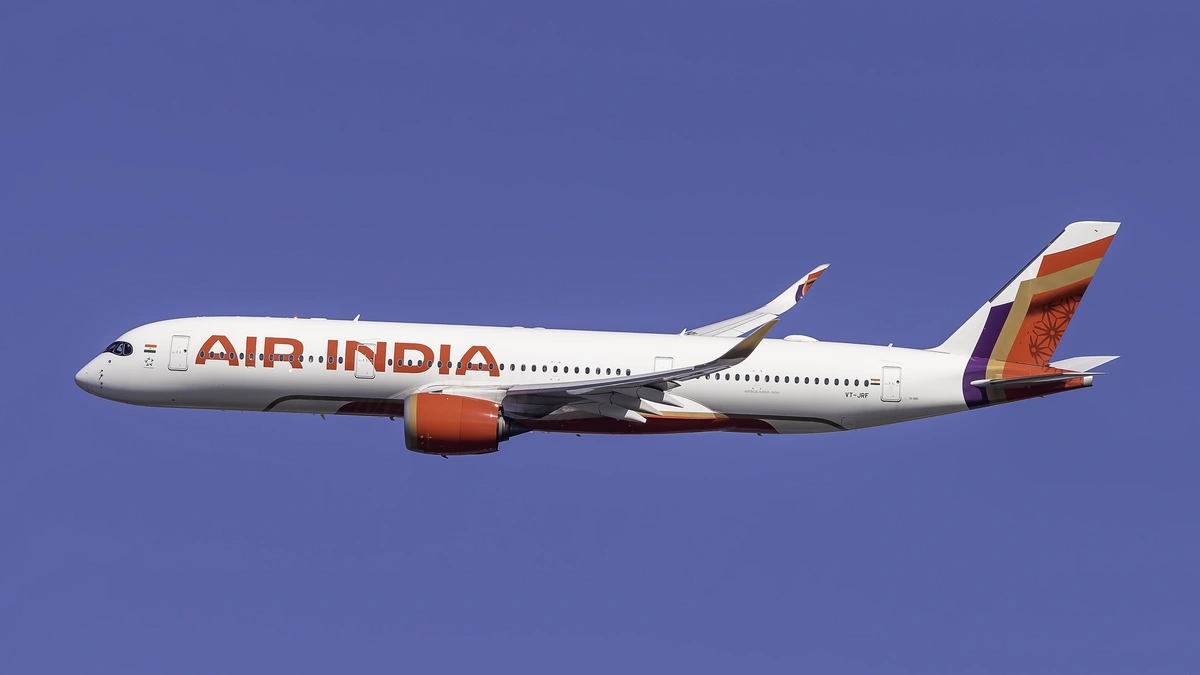
So, Air India , our beloved, sometimes turbulent, national carrier, is asking for a ₹10,000 crore bailout. Not just from anyone, but from its parent, Tata, and Singapore Airlines. Let’s be honest, that’s a hefty sum. What fascinates me is why ? And what does this mean for the future of Air India’s financial stability , for passengers, and frankly, for the Indian economy?
Why a Bailout? Decoding the Financial Turbulence
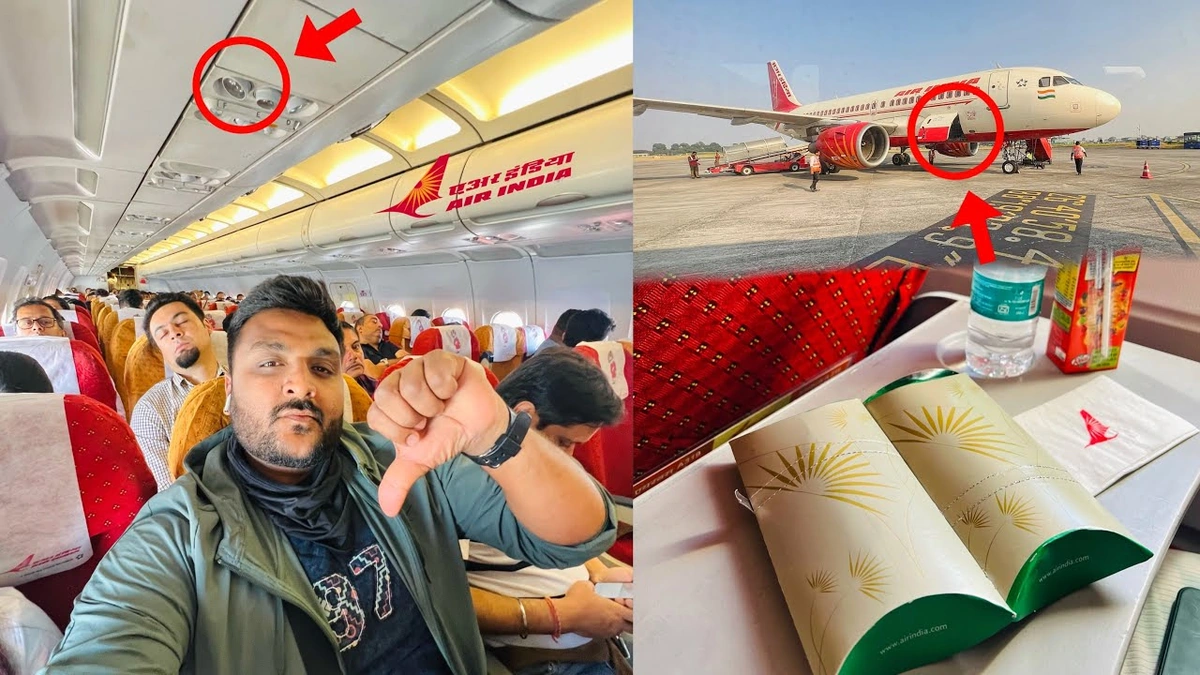
Here’s the thing: running an airline is brutally expensive. We’re talking fuel costs, maintenance, airport charges , staff salaries – the list goes on. Air India , even after its homecoming to the Tata Group, is still grappling with legacy debt and operational inefficiencies. Think of it like trying to renovate an old house while still paying off the original mortgage – tough, right? This bailout isn’t just about keeping the lights on; it’s about funding a massive transformation plan. Air India’s transformation plan includes fleet expansion, improving customer service, and modernizing its technology – all essential for competing in today’s cutthroat aviation market.
But, and this is a big ‘but’, why now? Well, the aviation industry is still recovering from the pandemic’s impact. Increased competition from low-cost carriers and fluctuating fuel prices add to the pressure. This financial injection aims to provide Air India with the breathing room it needs to execute its long-term strategy and avoid a potential nosedive.
Tata’s Commitment | More Than Just Money
Tata’s involvement is critical here. It’s not just about the money; it’s about the brand and the long-term vision. Remember when Tata initially took over Air India ? It was a homecoming filled with nostalgia and hope. Tata has a reputation for quality and integrity, and they’re determined to restore Air India to its former glory. This bailout is a powerful signal of their commitment. It says, “We’re in this for the long haul.” However, Tata’s commitment is not without considerations. They will certainly have a strategy for the use of funds and a timeline for Air India to reach a level of self-sustainability.
And Singapore Airlines? Their participation underscores the belief in the potential of the Indian aviation market. Strategic partnerships like this are becoming increasingly common in the airline industry, allowing companies to share resources and expertise. I initially thought this was solely about financial support, but then I realized it’s also about leveraging Singapore Airlines’ operational excellence and global network.
The Passenger Perspective | What’s in it for You?
Okay, so a bailout is happening. But what does it actually mean for the average passenger booking a flight from Delhi to Mumbai? Ideally, it translates to a better flying experience. Think newer aircraft, improved in-flight entertainment, more comfortable seating, and hopefully, more reliable service. Enhanced customer service is definitely on the horizon if Air India wants to compete effectively. A common mistake I see people make is assuming that airline bailouts only benefit the company itself. In the long run, a financially stable Air India means more choices, competitive fares, and a better overall experience for travelers. Plus, with fleet expansion, we might see more direct routes to international destinations, avoiding those dreaded layovers! It’s a win-win, potentially.
The Road Ahead | Challenges and Opportunities
Let me rephrase that for clarity… the bailout isn’t a magic bullet. Air India still faces significant challenges. Integrating different work cultures, streamlining operations, and managing rising fuel costs are just a few hurdles. The competition in the Indian aviation sector is fierce, with established players and aggressive low-cost carriers vying for market share. But, Air India also has immense opportunities. India’s aviation market is one of the fastest-growing in the world. With the right strategy and execution, Air India can reclaim its position as a leading global airline. According to IATA, India will become the third largest aviation market in the world. This shows how the opportunity is significant for Air India’s market share .
I am optimistic. Tata’s leadership, combined with Singapore Airlines’ expertise, and this much-needed financial boost, creates a strong foundation for future success. It’s not going to be easy, but the potential rewards are substantial. Restructuring a large company takes time and strategic planning. Ultimately, the success of this bailout will depend on Air India ‘s ability to execute its transformation plan effectively and deliver a consistently positive experience for its customers. It’s a journey, and we’re all along for the ride.
FAQ About Air India’s Bailout
What exactly will the ₹10,000 crore be used for?
The funds are intended to support Air India ‘s ongoing transformation plan, including fleet upgrades, service improvements, and debt management.
How will this bailout affect ticket prices?
While there’s no guarantee of lower fares immediately, a financially stable Air India should lead to more competitive pricing in the long run. This will also affect the International flight ticket
Is this bailout a good use of taxpayer money?
This is a private investment from Tata and Singapore Airlines, not taxpayer funds.
What happens if Air India fails to turn things around?
That’s the million-dollar question. Failure isn’t an option Tata wants to consider, hence the significant investment. However, the aviation industry is dynamic, and success depends on adapting to changing market conditions.
Where can I find more information about Air India’s transformation plan?
Check the official Air India website for updates and press releases.
Will this affect Air India’s frequent flyer program?
No immediate changes are expected, but it’s always wise to stay updated on any program modifications.